
Hack your neurology, cognitive decline starts early on
I went into this episode expecting another longevity checklist.
Sleep more. Exercise more. Eat omega-3. Avoid stress. Live forever.
Instead, I left slightly uncomfortable — in a productive way.
Because Louisa Nicola made one claim that kept echoing in my head:
Up to 95% of Alzheimer’s cases may be preventable.
That number feels almost too big to accept. It’s easier to believe Alzheimer’s is mostly fate. Genetics. Random neurological betrayal. But the deeper I listened, the harder it became to hide behind that excuse.
The Genetics Story Is Much Smaller Than We Think
Only about 3% of Alzheimer’s cases are strongly driven by deterministic genetic mutations like:
- Presenilin 1
- Presenilin 2
- Amyloid precursor protein
Then there’s the ApoE gene — the one most people talk about. There are three versions:
- ApoE2 – protective
- ApoE3 – neutral baseline
- ApoE4 – risk-enhancing
One copy of ApoE4 increases Alzheimer’s risk roughly 2–3 times. Two copies increases risk up to 10 times. Women carrying two copies may face risk closer to 15 times.
Chris Hemsworth famously discovered he carries two ApoE4 copies, which triggered his public reflection on longevity and health priorities.

But here’s the part that shifts the emotional weight:
Genetics loads the gun. Lifestyle pulls — or refuses to pull — the trigger.
Alzheimer’s Begins Decades Before Symptoms
Alzheimer’s pathology can begin in your 30s, even though symptoms often appear in the 60s or later. Which means prevention is not early retirement planning.
It is midlife behaviour. Or possibly… young adulthood behaviour disguised as harmless habits.
The brain contains roughly 87 billion neurons, each forming 5 to 10,000 connections, while some regions like the cerebellum may reach 50,000 connections per neuron.
Despite being small, the brain consumes about 20% of total daily calories and remains the most vascular-rich organ in the body.
Which means brain health is deeply dependent on blood flow, metabolism, and inflammation. Not just memory exercises or crossword puzzles.
One single night of sleep deprivation has been shown to increase amyloid beta accumulation by approximately 4%. That sounds small… until you imagine compounding that over months or years.
Amyloid beta is one of the hallmark proteins linked to Alzheimer’s disease. Ironically, it also has antimicrobial functions, meaning the protein itself is not evil — it simply becomes dangerous when clearance systems fail. That clearance happens during deep sleep via the glymphatic system, which essentially washes toxins out of the brain.
The other hallmark protein is Tau protein. Tau stabilises the axons which are responsible for thought transmission. During times of stress, it forms tangles and then cognitive decline. Estrogen receptors and estrogen helps protect this process from happening.
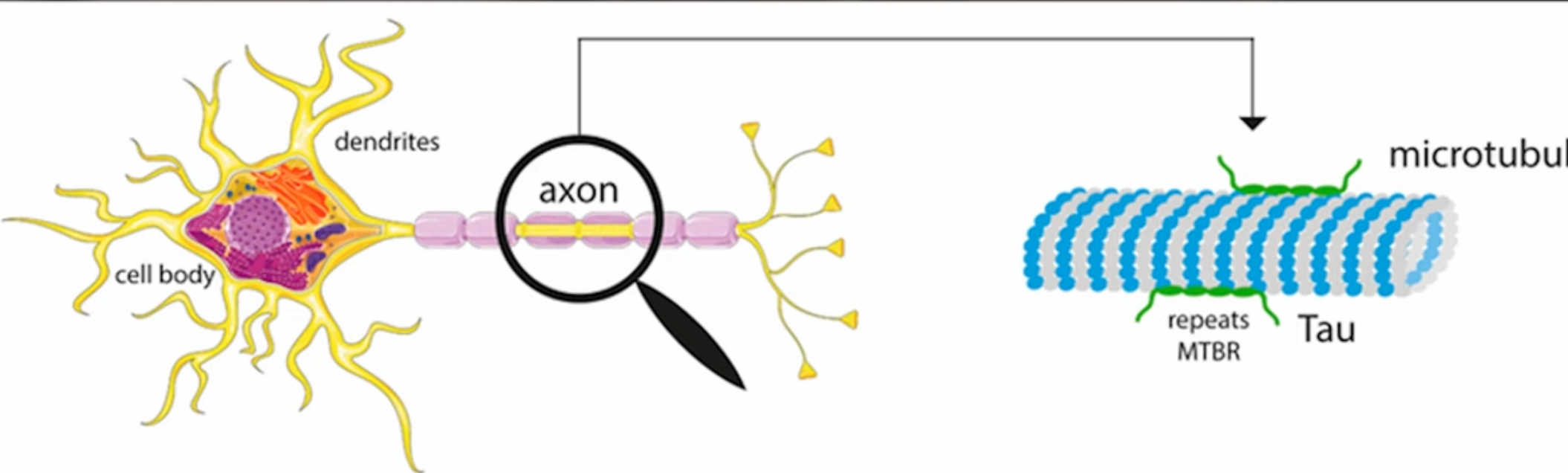
No deep sleep = no proper neurological cleaning cycle. It's like not going to bath... or not washing your hair... or your hands after cleaning raw meat...!
Women Carry A Disproportionate Burden
Approximately 70% of Alzheimer’s patients are women. Meanwhile, about 80% of autoimmune diseases also occur in women. Female readers - my heart is with you on this one.
Hormonal shifts appear to be a major factor. During perimenopause and menopause, estrogen levels decline, which can reduce brain glucose metabolism by as much as 30%, even when calorie intake remains adequate.
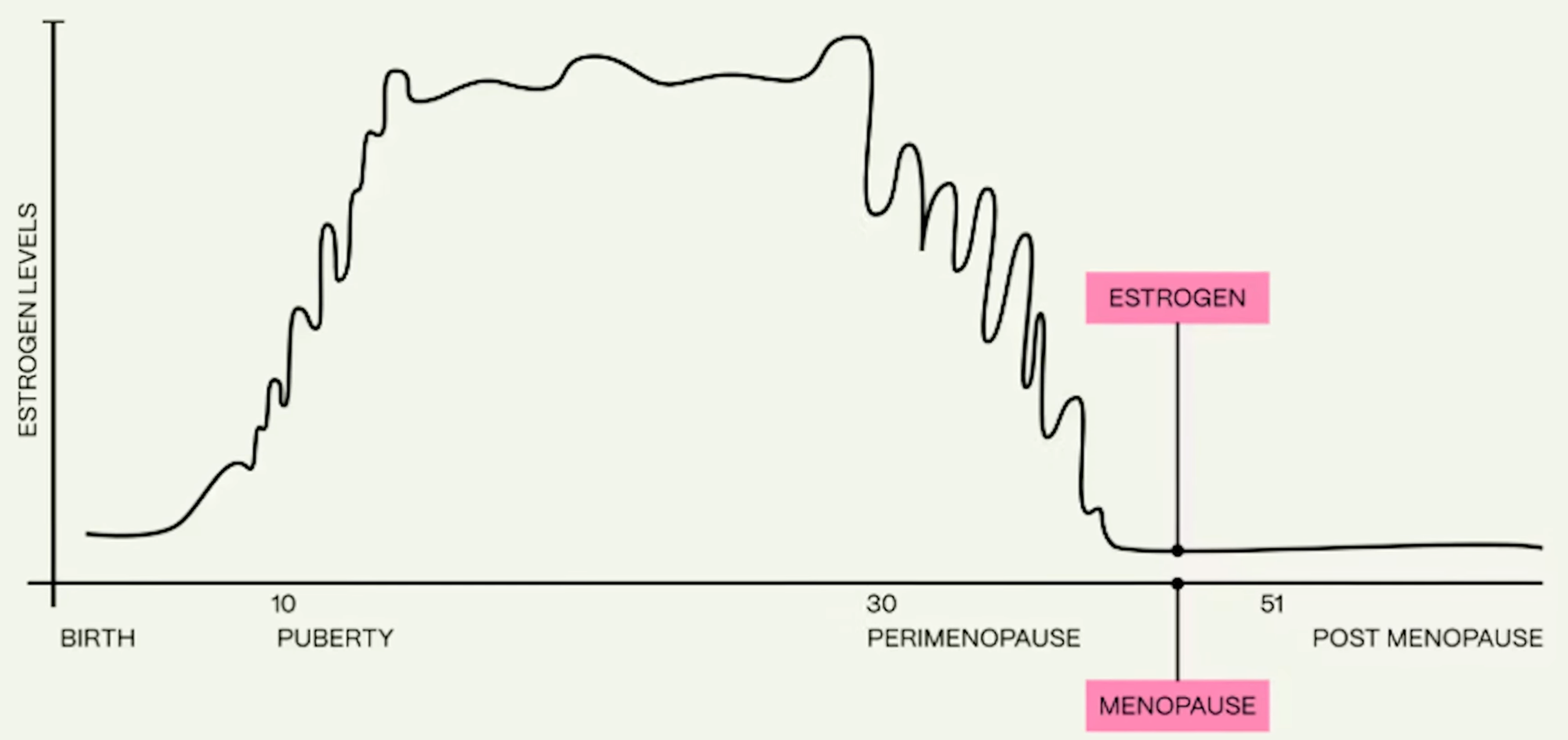
This metabolic shift may partly explain:
- Brain fog
- Memory lapses
- Increased Alzheimer’s vulnerability
Sleep disruption during menopause — especially hot flushes and night sweats, reported by about 60–65% of women — further worsens neurological waste clearance.
It becomes a biological feedback loop that many women experience without being told it has neurological consequences.
Cognitive Reserve: The Brain’s Insurance Policy
One of the most hopeful concepts discussed was cognitive reserve.
This refers to the density and adaptability of neural connections formed through learning, novelty, reading, writing, social interaction, and physical activity.
There are documented cases of individuals reaching their 80s with heavy amyloid beta buildup but still maintaining normal cognitive function due to high cognitive reserve.
Which suggests Alzheimer’s is not purely about pathology. It is also about resilience.
Globally, inactivity is shockingly common. In the United States alone, roughly 80% of adults fail to achieve even 30 minutes of weekly exercise, despite guidelines recommending 150 to 300 minutes of moderate-to-vigorous activity per week. That's 2.5 hours to 5 hours of exercise a week! Shocking, isn't it?
Exercise affects the brain through multiple pathways. Resistance training and endurance training stimulate release of:
- Myokines
- Brain-derived neurotrophic factor (BDNF)
- Anti-inflammatory signalling molecules like IL-6
BDNF supports neuron growth, particularly in the hippocampus — the region responsible for short-term memory and one of the first brain areas to shrink in Alzheimer’s.
IL-6 during exercise instead of acting as pro-inflammatory acts as anti-inflammatory. It down regulates tumour growth.
Another fun fact: A UK identical twin study following participants over 10 years showed the twin with greater leg strength had significantly larger brain volume and reduced cognitive decline.

Exercise Also Acts Like Medicine (That Pharma Cannot Replicate)
Just 30 minutes of daily exercise is associated with reduced risk across 13 types of cancer, particularly breast, prostate, and colon cancers.
Exercise triggers release of natural killer (NK) immune cells that actively attack tumour sites.
Despite billions spent attempting to mimic these effects pharmacologically, no drug has successfully reproduced the full systemic impact of exercise.
If forced to choose only one lifelong movement, Louisa half-jokingly suggested compound strength exercises like deadlifts or barbell squats — movements recruiting the largest muscle groups and generating the greatest hormonal and neurological signalling.

The Active Sedentary Problem
Even people who exercise can still carry elevated disease risk if they remain seated for prolonged periods.
Sitting for 8–10 hours daily increases cardiovascular and metabolic risk, even among individuals completing daily workouts.
Hang on - isn't that basically all of us working adults?
YES, and that's why there's one surprisingly simple intervention:
Performing 10 air squats every hour across an 8-hour workday can significantly improve glucose regulation — in some cases rivaling benefits of a single continuous 30-minute walk.
The body, and apparently the brain, prefers movement distributed throughout the day.
Cardiovascular Fitness Can Reverse Decades Of Decline
A study of sedentary men in their 50s demonstrated that structured cardiovascular training — roughly 4 hours per week over 2 years — could remodel the heart to functionally resemble someone 20 years younger.
Training included:
- VO₂ max intervals at 90% effort
- Moderate endurance training around 70% heart rate
- Weekly resistance training
However, after about age 65, cardiac remodelling becomes significantly harder, suggesting midlife represents a crucial biological window.
The gold standard of increasing your VO2 max is the Norwegian 4x4. 4 minute of intense exercise at 90-95% of max effort, then rest for 4 minutes. Repeat 4 times. Do this twice a week. Louisa's routine is Stepper at level 14 for 4 minutes, complete rest for 4 minutes, then repeat 4 times at the gym twice a week.
Why do you need to keep your VO2 max score high? Because the blood-brain barrier is only one cell thick and this barrier is related to blood pressure which is related to VO2 Max.
When blood pressure rises above approximately 135 systolic, this barrier begins to degrade, allowing harmful substances to enter brain tissue.
Optimal blood pressure remains around 120/80 — a number many people treat as optional until it isn’t.
Vitamin D, Omega-3, And Creatine: Interesting Supporting Roles
Vitamin D deficiency has been associated with approximately 40% increased risk of all-cause dementia. Maintaining levels around 60 ng/dL has been linked with substantial Alzheimer’s risk reduction - by 80%.
Omega-3 fatty acids remain structurally important because roughly 60% of the brain is composed of fat, and about 70% of that fat consists of DHA, a major omega-3 component.
Creatine research is still emerging but fascinating. Pilot studies have explored doses up to 20 grams daily in Alzheimer’s patients, showing preservation of cognitive function and exercise tolerance. Population-level data has suggested higher creatine intake may correlate with 5–18% reduced cancer risk, particularly in adults over 50.
30g of creatine a day can protect you from concussion damage
like.. what the hell.. ? I know. At this point in time, I am pretty convinced by the health benefits of creatine. It has become so prevalently studied, intensively, across all ages, gender, pathologies and ethnicities, that you should just take creatine as a supplement.
In a NHANES 2025 study, 25,000 adults, that dosed at 0.36 g / kg of weight, eg 70kg person = 25g of creatine a day, decreased risk of cancer by 5% to 18% per 1 SD creatine intake. Most effective in >50 year old.
None of these replace lifestyle fundamentals. But they illustrate how metabolically demanding the brain truly is.

Where to buy your creatine - buy from a source that is using Creapure (it should be gritty) and NSF certified. This was repeated throughout the podcast, suggesting that your source of supplements must be high quality.
The Scrolling Brain Problem
One modern risk factor Louisa highlighted felt painfully relatable.
Endless short dopamine bursts from social media reduce sustained attention capacity and may contribute to structural shrinkage of the anterior mid-cingulate cortex — a brain region associated with motivation, resilience, and persistence.
Brain rot is the word of the year in 2024.
It’s a term that is modern because we are shrinking our anterior mid cingular cortex (AMCC) through endless scrolling. Our ability to think and cognition is declining. Another fun fact, AMCC, shrinks in people with sedentary life. It grows when you do challenging things you dont want to do. Its size is a strong predictor of how long an individual will survive.
Ironically, the part of the brain that helps us do difficult things… weakens when we constantly choose easy stimulation.
An exercise suggested instead of doom scrolling really is the tennis ball exercise.

Briefly - throw tennis balls against a wall and catch it using the same hand. Then switch hands back and fro left and right. Then wear an eye patch and close one eye and continue to throw balls. Finally, stand on one leg and try doing the same. Each level stimulates different parts of your brain in increasing difficulty. Practise this for a minute randomly spaced apart in a day.
The Most Uncomfortable Reality
Once you are diagnosed with Alzheimer's, there is no turning back. Alzheimer’s symptoms become clinically apparent, current interventions mostly slow progression rather than reverse damage.
Which reframes prevention entirely. Don't even get there.
Brain health is not something you repair later.
It is something you quietly build decades earlier. Start today - if you are 30 and above, start immediately. Start getting those creatine in, exercise a lot more than you think you need, and get lots of sleep. Omega 3 would be a boost too.
The Real Takeaway
Alzheimer’s feels like a disease of aging. But it behaves more like a disease of accumulation:
- Accumulated sleep deprivation
- Accumulated metabolic dysfunction
- Accumulated inactivity
- Accumulated cognitive disengagement
The hopeful flip side:
- Cognitive reserve accumulates too.
- Cardiovascular fitness accumulates.
- Neural resilience accumulates.
Every deep sleep. Every workout. Every difficult skill learned. Every hour spent focused rather than distracted.
These look like small, forgettable behaviours in daily life. Neurologically… they are long-term investments in the only organ that makes daily life possible in the first place.
Source | DOAC - Cognitive Decline Expert: The Disease That Starts in Your 30s but Kills You in Your 70s