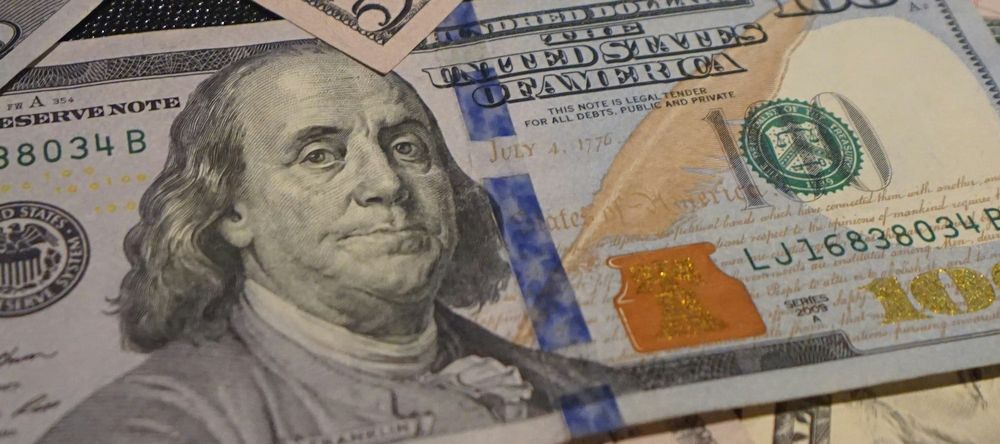
Inequality magnified
We have all been there. The truth is, inequality exists, and its widening. Johnny Harris takes us through an almost 3-hour video on how this works, and I will just keep some of the key graphs for your understanding. We start with the concept of money:
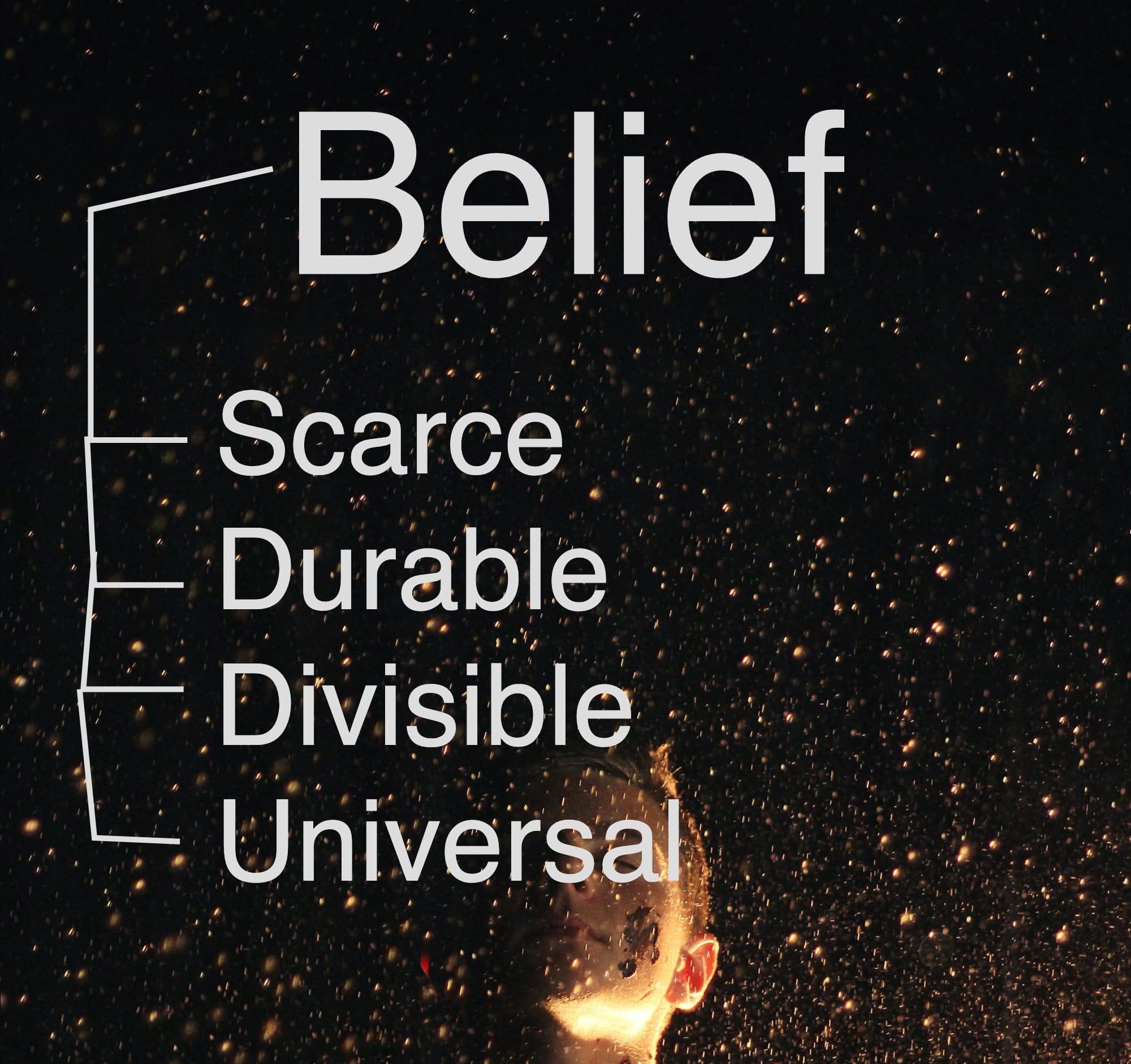
Money evolved from commonly useful things, such as cattle which has a real utility. It has problems though, hard to transport it around, they die from diseases etc. And eventually, gold came into play. It does not have any value of its own - but with belief, e.g. scarce, durable, divisible and universal, everyone starts to like it.
El Dorado and the 7 cities of Cibola. In the 1520s, Spain invaded and massacred Aztec for gold.
Gold had problem - it's heavy and very scarce, not enough to go around. Someone figured bank can issue bank notes (like an IOU), to exchange paper with gold. 1 ounce of gold = $20 dollar bill. Same idea, but without the scarcity problem.
Now people believe in banks. From cows, to gold, to paper. (Silver existed as well, but another rabbit hole. Point of interest, the Wizard of Oz could be a secret story about gold vs silver.)
By 1900s, the gold standard of 1 ounce = $20 dollars is more or less universal.
Panic of 1907 - when everyone decided to take out their gold using bank notes, guess what, not enough gold in the reserves!
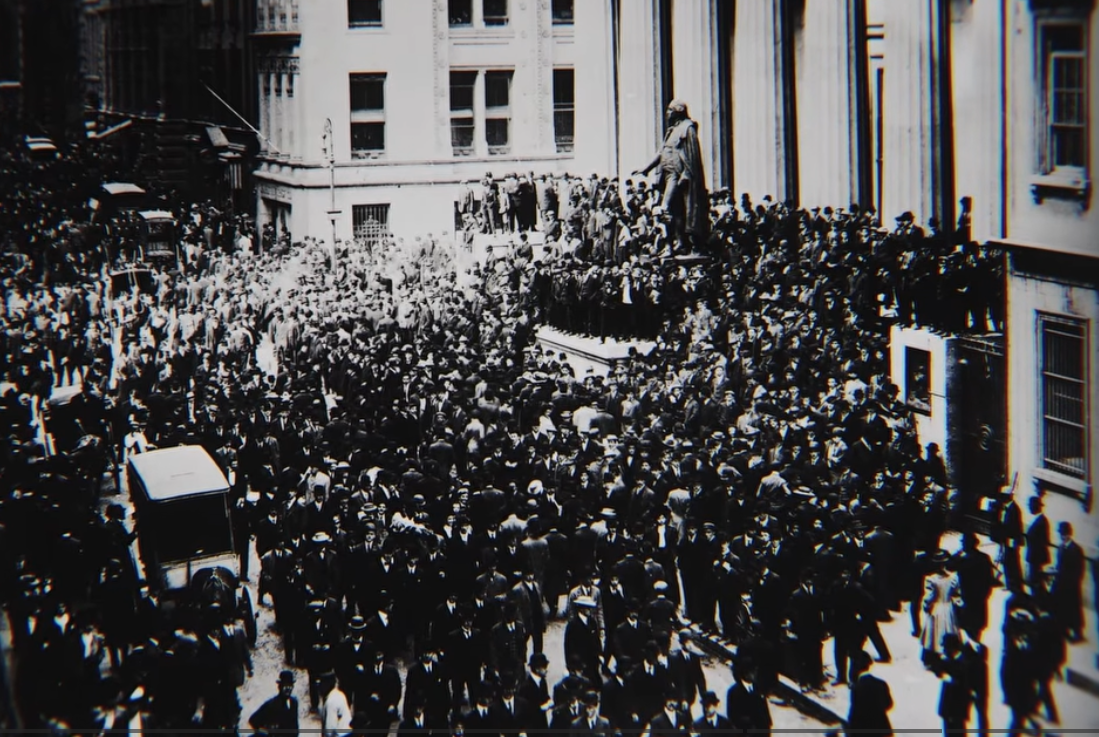
Birth of the central bank = Federal Reserve = the Fed. The Fed is given the power to set the rules for all the decentralised banks. So instead of having a limited supply of gold, it now became a limited supply of bank notes, controlled by the Fed.
Cow -> Gold -> Bank Notes -> Limited Bank Notes
And now the bank has levers to play with the economy:
- Money Supply through Quantitative easing (put more/less money into the system)
- Interest rate (lower it, more borrowing, more jobs, and importantly, people dont need to exchange paper for gold)
- Financial Stability
- Risk Appetite
- Reserve Requirement
- Discount Rate
- Inflation
- Unemployment
- Liquidity Backstops
- Moralsuasion
- Forward guidance
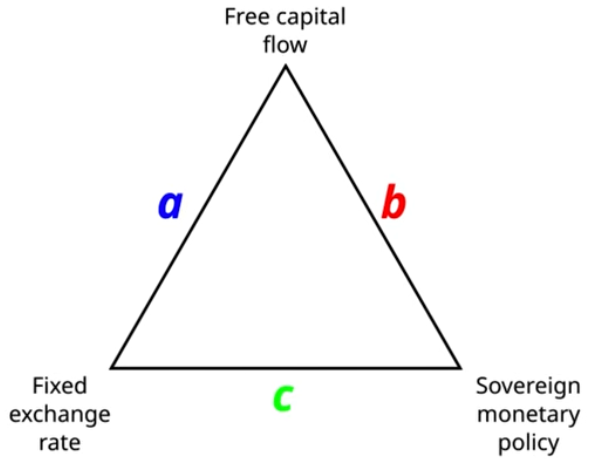
President and smart people figured out that pegging to gold is no longer sustainable based on the Impossible Trinity
1933 - all Americans must turn in gold bar for bank notes. Now the government can print as much money as they need to guide the economy.
Cow -> Gold -> Bank Notes -> Limited Bank Notes ... the link to gold is now severed. Birth of the FIAT, i.e. total trust in the government.
1944 - US becomes the top of the world after WWII, comes the Bretton Wood System. USD becomes the global currency, i.e. the new 'gold' standard.
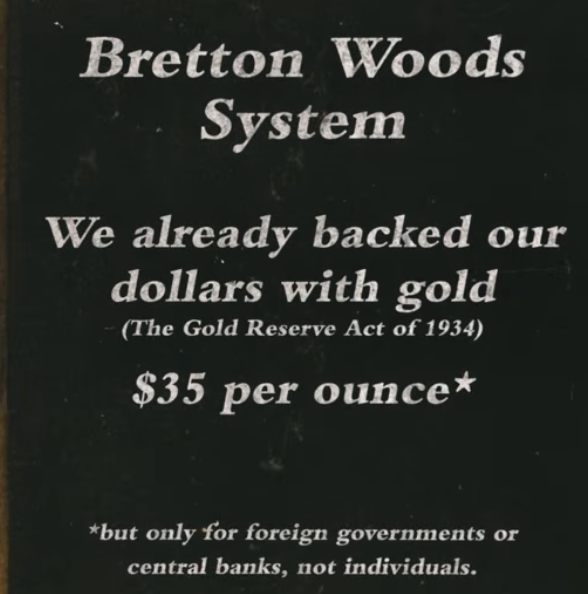
Turns out the US is bluffing, they were printing way more paper than there was gold to back it up. In the 1960s, Germany and France sent in ships to redeem their notes, but there's not enough. 1971, gold window got shut down.
Birth of bonds - President Nixon says, okay we are busted, but believe in the US government, military, economy, etc, because we are trustable. Let's keep the world moving. Invest in US bonds, and you will be covered.
Cow -> Gold -> Bank Notes -> Limited Bank Notes -> US Dollar
The Fed is not perfect, but economists agree that it might be the best version of what is currently available now in world economy. Imagine what the world would be without the USD fiat currency?
Gold still exists! Tons of gold are still in reserves all over the world. People turn back to gold again, when people lose trust in the US dollar / US government. When things feel uncertain, people turn to gold. We all know this.
Here comes the inequality discussion
There is no doubt that economy has prospered. GDP per capita has gone up. However, the central question remains - did the average person became more well off economically?
I guess we know the answer, it's a big no. Common sense question - were you able to afford more stuff compared to your parents (without bringing inheritance into question) ?
Johnny brings up a few graphs, which I paste here without restraint because it illustrates a very simple understanding.
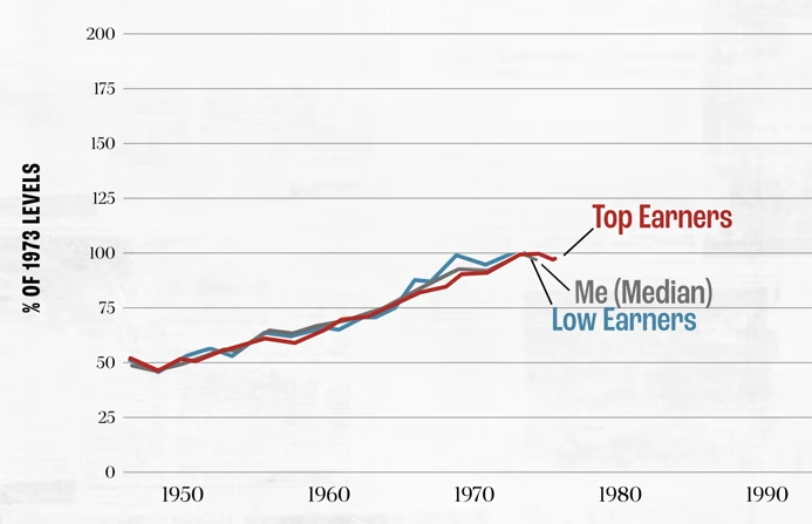
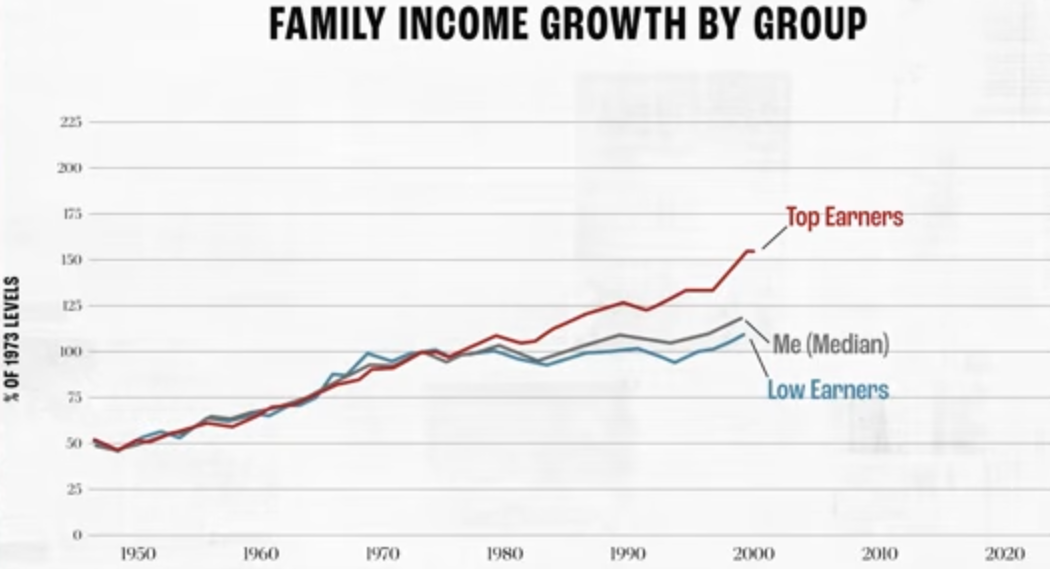
However, wages started to stagnate.
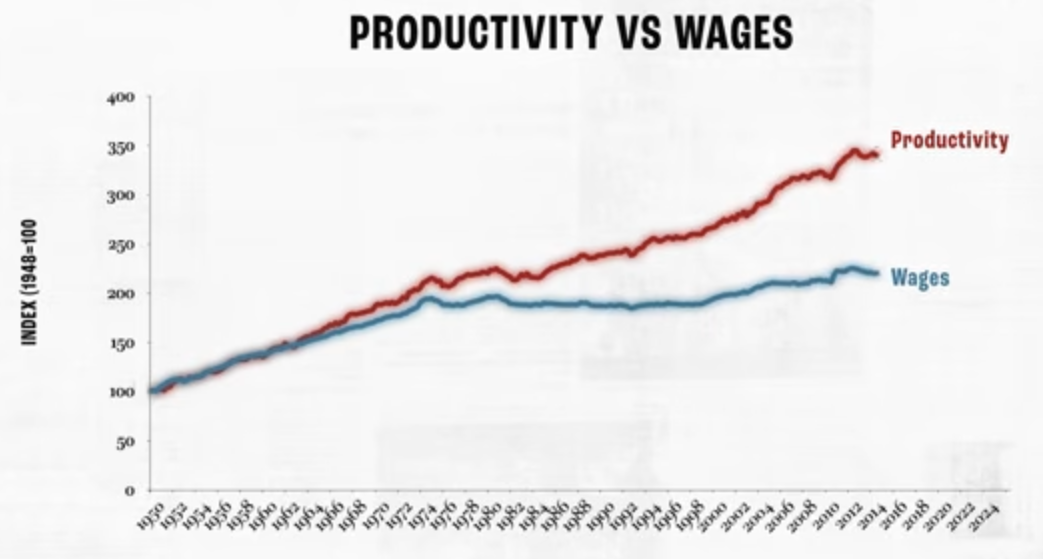
Where, did the money go to ? Make a guess.
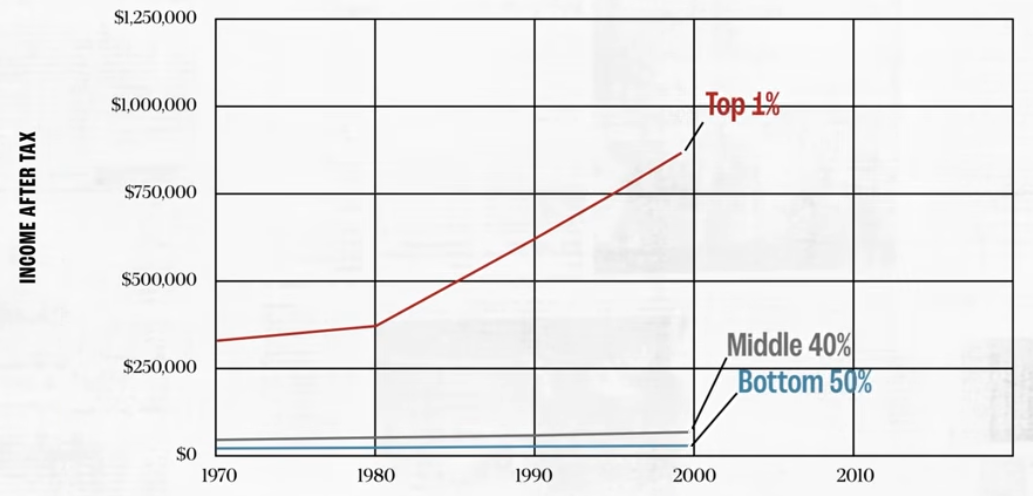
Economists argue that the money is returned into the system through poverty reduction. Nope.
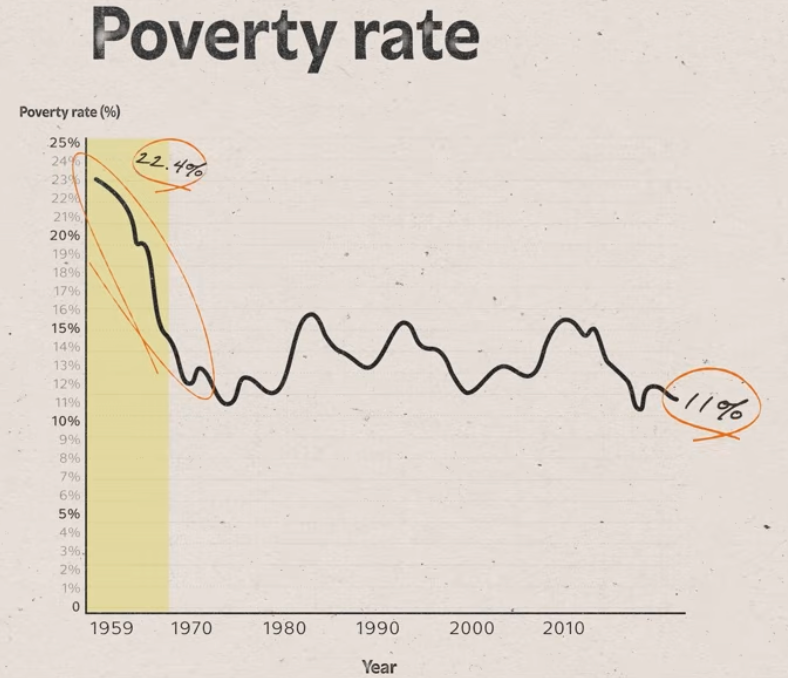
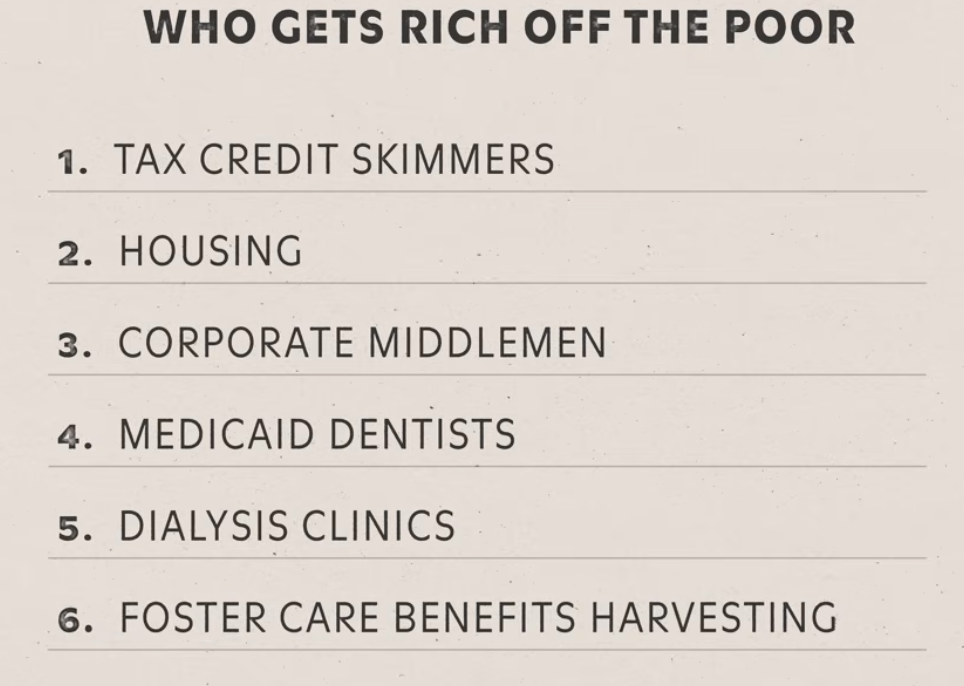
The problem is that poverty reduction is being handled through For Profit Companies, private companies. A whole chain of companies that profit off the Welfare Funds. The move started because the government is slow, and hence going private was supposed to help.
Take for example, to qualify for reduced tax in low income, there's a 45 page manual, which poor people cannot understand. They go to companies like LibertyTax, that's supposed to help them submit the refunds applications, but these private companies simply have ways to offset their actual tax credits.
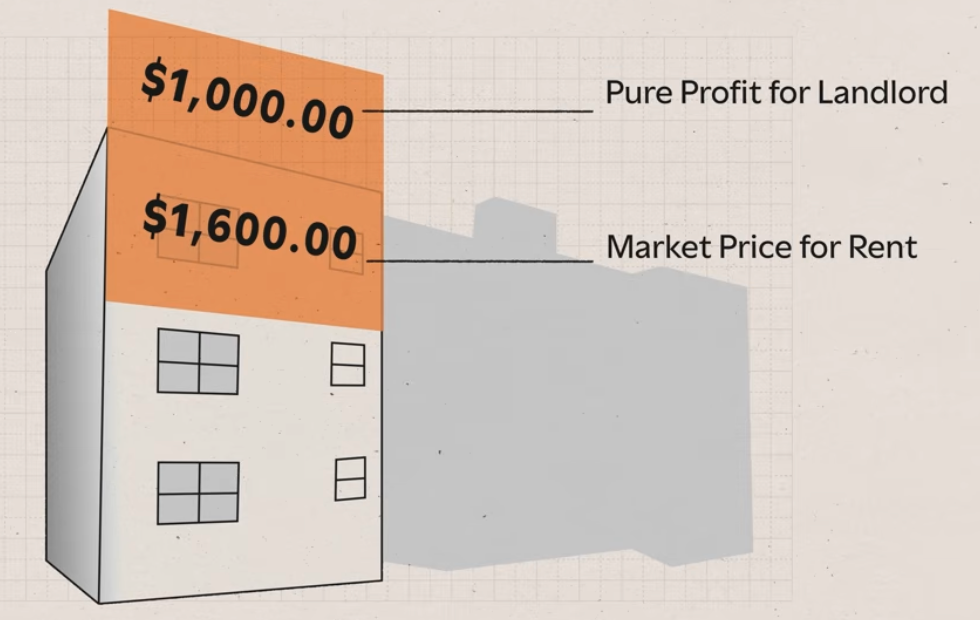
Housing, for example, is inflated by landlords for poor income bracket people so that they can get higher pure profits vs the market price for rent through subsidies.
Medicaid, or government subsidised healthcare, is overly complicated. Hence again the middleman come into simplify things. Except they don't. Their customer is neither you nor the low income people, their customer is the government. Putting in more wait times, more paperwork, actually benefit the middleman.
Doctors and dentists, would put in unnecessary procedures, so that they can claim more from the government. We see this in Singapore all the time, where GPs are getting very rich. They do not even show you the receipt of what they charged you if you are claiming insurance. My GP drives a Porsche which costs $1M and he only works 2-5 hours a day!
Going back to the income - the average person is not getting more well off. Let's face it with some facts.
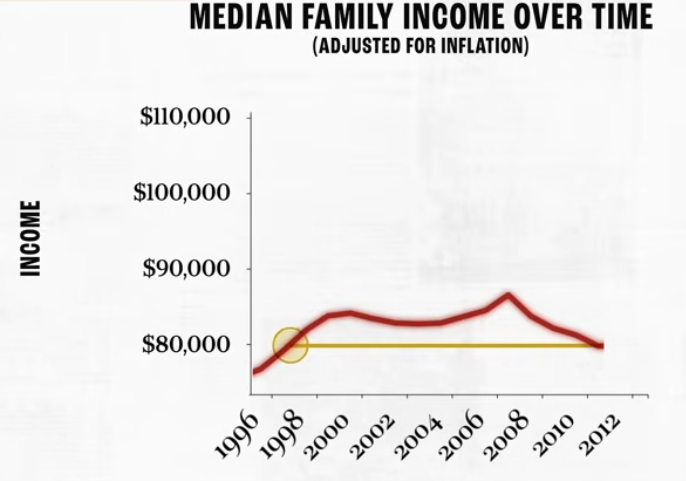
In fact, price of goods, and importantly, housing, have soared.
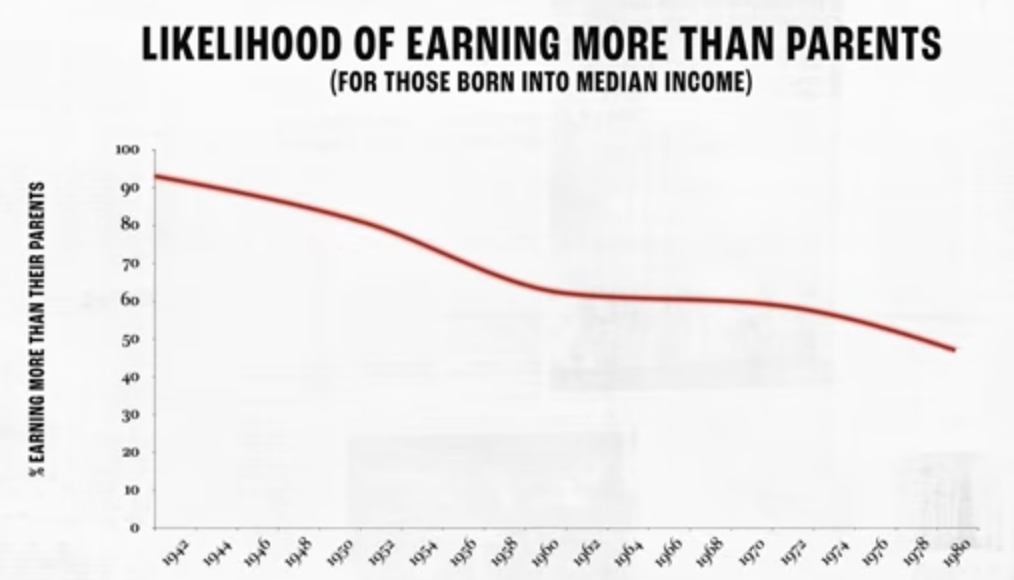
Where is all that economic growth going to?
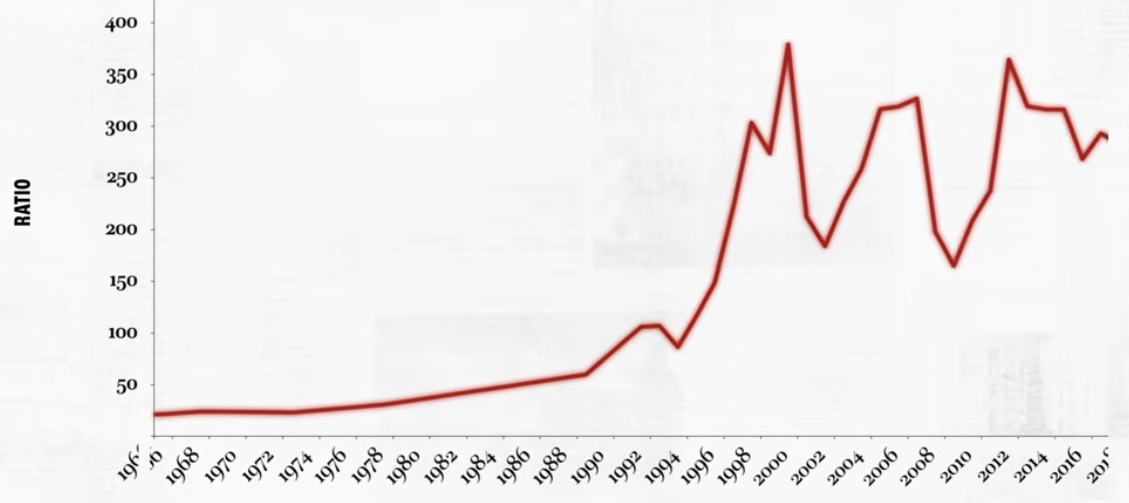
Well, we saw that earlier, but here's a stark look at how much the average CEO earns vs the average median worker. 400X more.
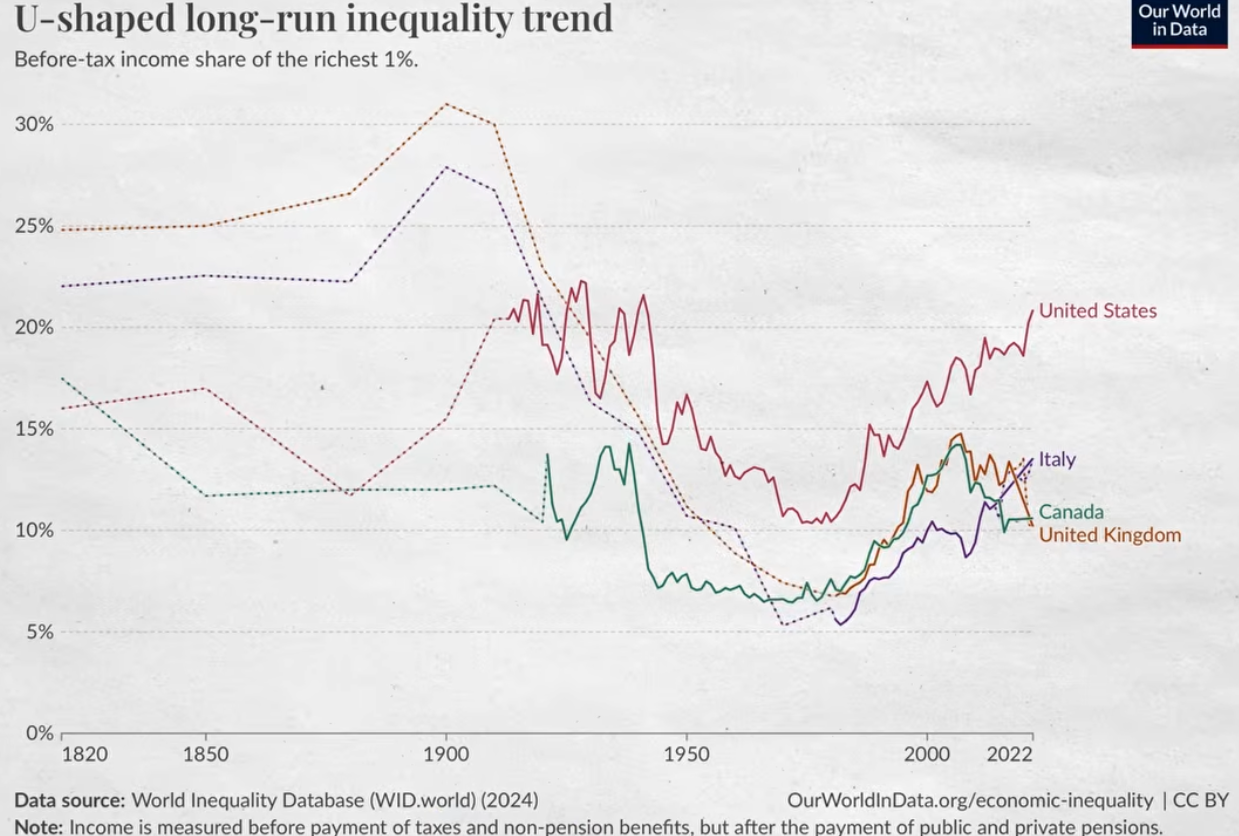
How does the rich become richer so easily?
Johnny spent the next 2 hours of his video showing examples of the average American vs how the rich, and richer, live their daily lives. He spent an hour tracing how a pack of tomatoes is transferred through multiple middleman and chains that the ending price of a tomato is way higher than its production cost.
TLDR: median income, you are very likely to survive week to week. Cost of goods have increased, housing have increased a lot, cost of medical care went up, internet connection, fuel, and especially after taxes, etc, all lead to savings account looking bleak after covering basic needs.
Didn't my cost of living increased? I mean, everyone benefited right.
No - the rising basic cost of living is a big lie. Only the 'masters' of the economy benefited.
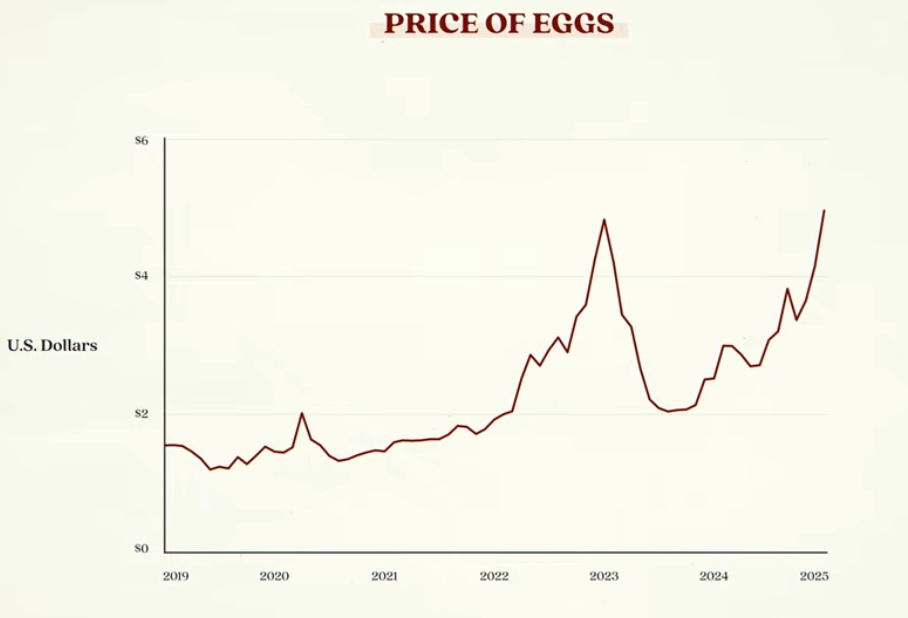
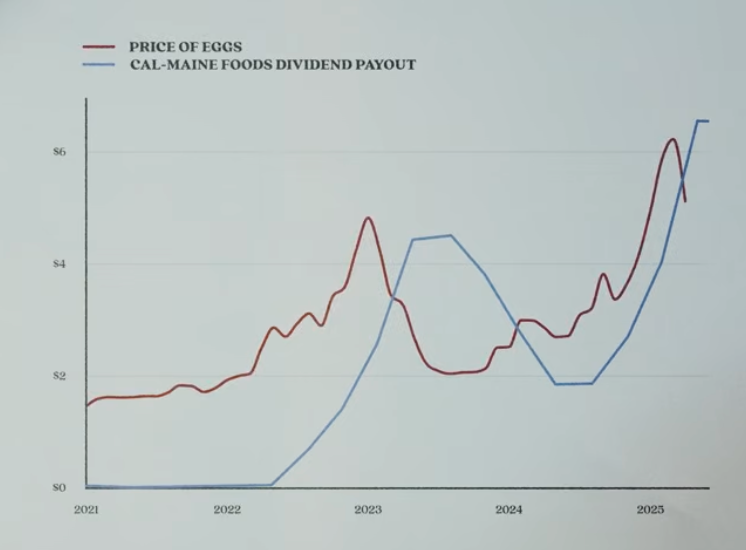
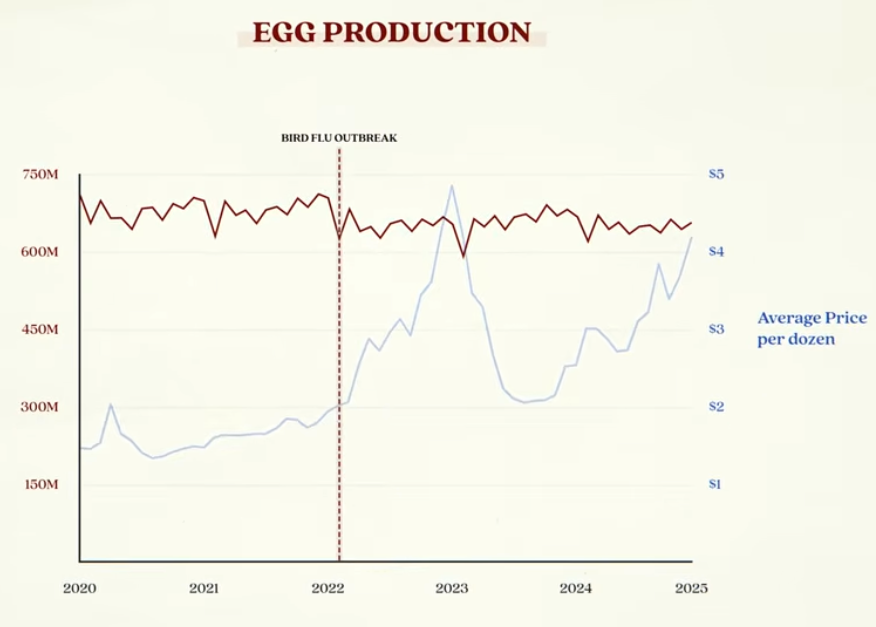
The egg story is an example of how the rich was able to jack up prices based on a related but unaffected event. And they are able to do so because one egg company controls 75% of the US market for eggs. And there are no measures to control this.
As a low income person, if you cannot cover your basic needs and some extravagance, then you cannot invest. If you cannot invest, you cannot make more money. Hence, being stuck in the rat race. Investments compound.
Underlying all this, is how the rich never pay taxes. The banks lend money to people through collateral. If you have assets, you can borrow up to 50% to 85% of your assets. Tax-free income options:
- Interests from fixed income funds
- US Treasury Bonds (no state and local tax)
- Dividends (tax depends on class)
- Rental income from real estate
- Tax-free debt loans
A person with $25M assets, pay less of income tax than someone that makes $100K a year. A $27K spending feels like $43 to the same person. How does that make sense?
Borrowed money is not taxable. This means the rich keep leveraging their assets, which are in the millions and billions, to pay for everything, and they don't have to be taxed. A rich business owner, basically can write everything that he spends as expenditure in his balance sheet. And the really funny part is that they will engage people to help them do this, full time. This means they dont even need to think about it, it is 'automatically' handled by a set of retainers.
For example, a person with $100M assets can get an interest rate as low as 0.87%. A poor person ? 5.9%. This means I just need to make more than 1% off money taken off a loan, and pay off the 0.87% debt easily. Any excess, I can spend, or re-invest.
Below is another example how the rich can write off taxes.
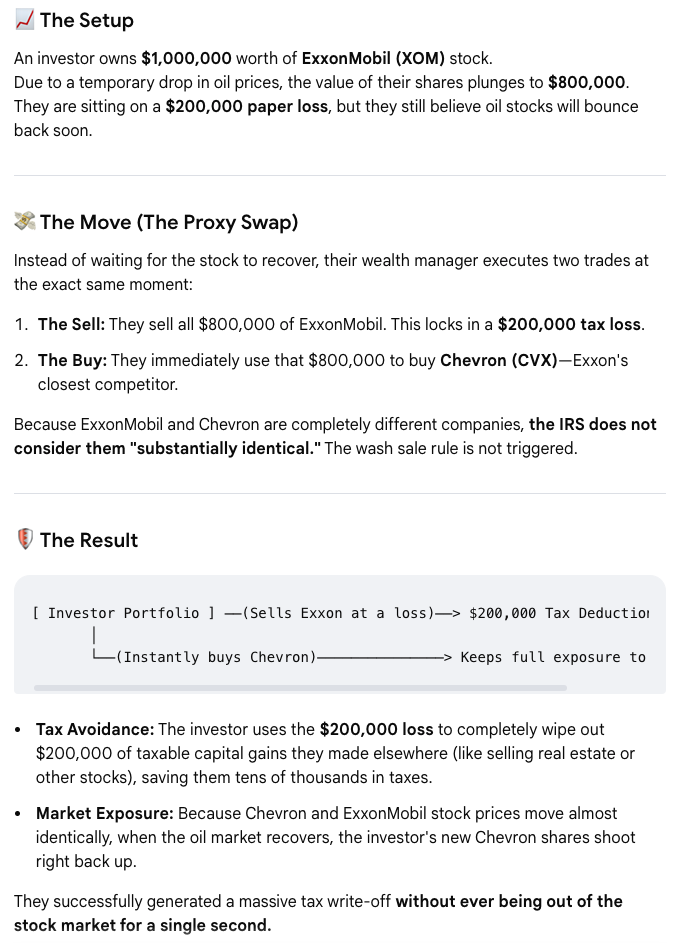
Many more ways exist to write off taxes, such as opening up a huge art gallery worth $150M.
You kinda see how these are all only possible once you become rich. The old saying, the rich gets richer, and the poor gets poorer, is so true.
How does this all link to the concept of money and gold?
All these tax write offs, debts, calculations, were only made possible because the very notion of money has evolved. It has been de-linked from a scarce resource, allowing it to scale indefinitely, to printable money, to invisible digits in the bank.
The owner of assets is based on a capitalist system. Having a fortress of wealth then allows you to influence government, policy, and media. So that the top 1%, or 0.01%, can benefit enormously.
The evolution of money has changed to allow this to happen. One can say, it is working as intended.
Now, how can we move from here into the future?